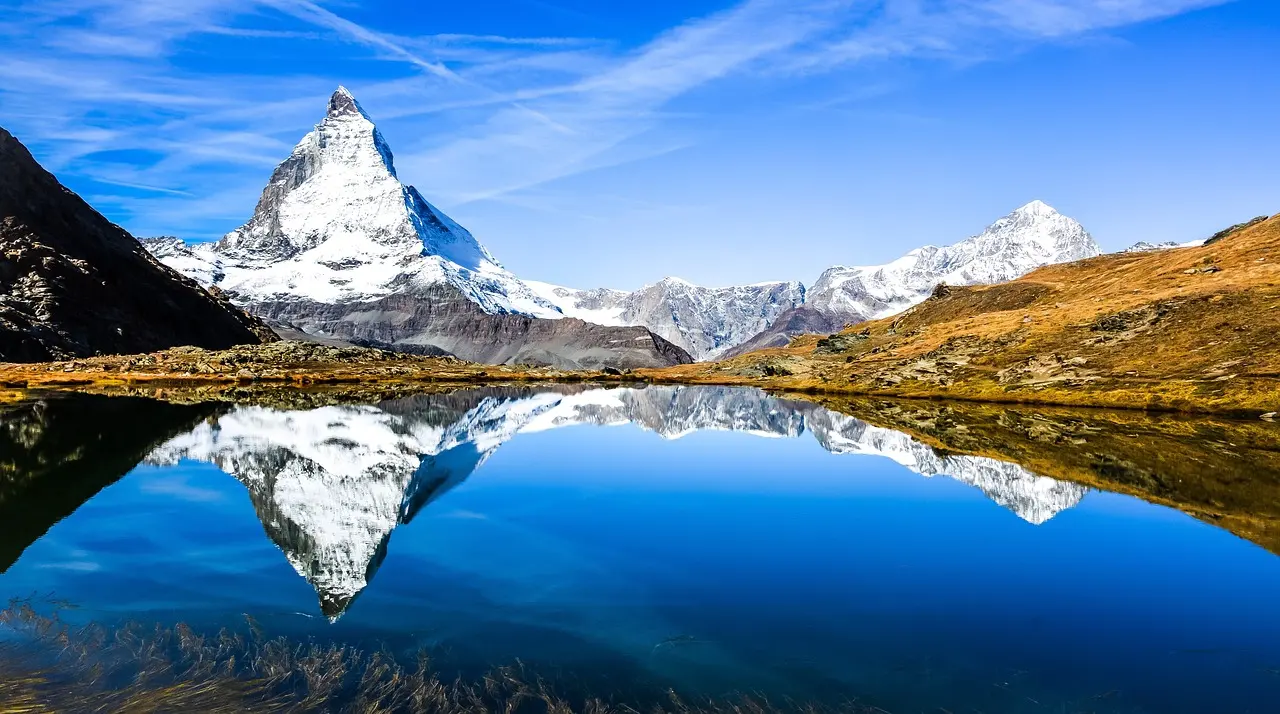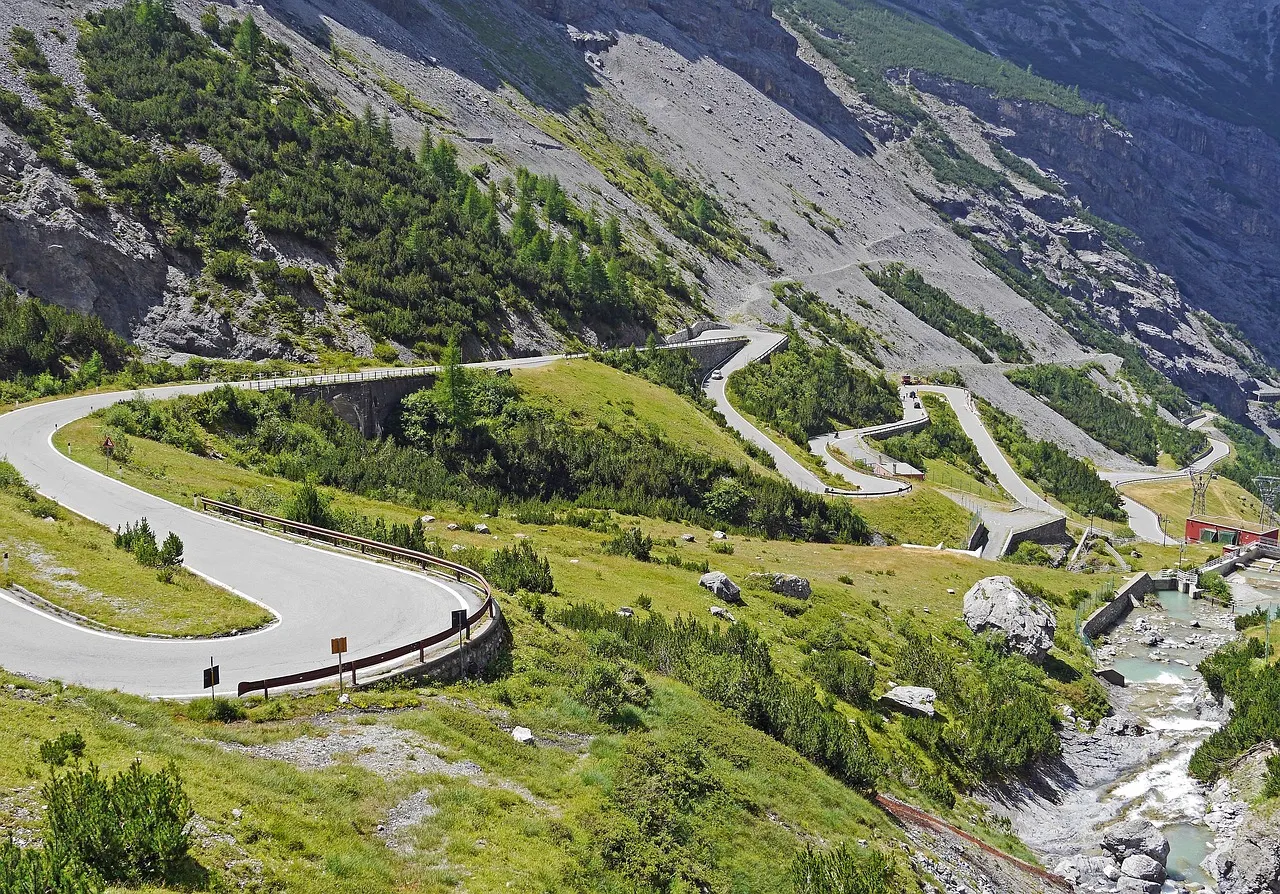
The canton of Graubünden in eastern Switzerland is the country's finest playground for mountain driving. This one canton alone has nearly ten passes to choose from, from Oberalp, Albula, Flüela and Julier all the way to Bernina, and you can base yourself in St. Moritz or Pontresina and loop out on a different drive each day. The window for driving every one of them is roughly June to early October, because most of the passes close once the snow arrives.
This article is for anyone planning a trip to Switzerland who wants to know how the passes differ, which ones are easy to drive, which stay open all year, which town to stay in, and which Swiss road rules Thai travelers tend to get wrong, so you can plan a private Switzerland trip with See You Again that fits your own style.
Why Graubünden
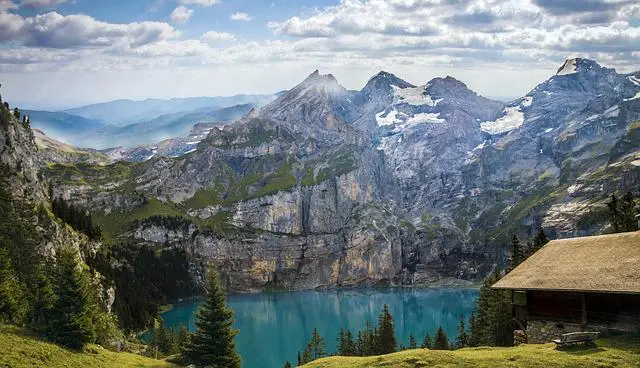
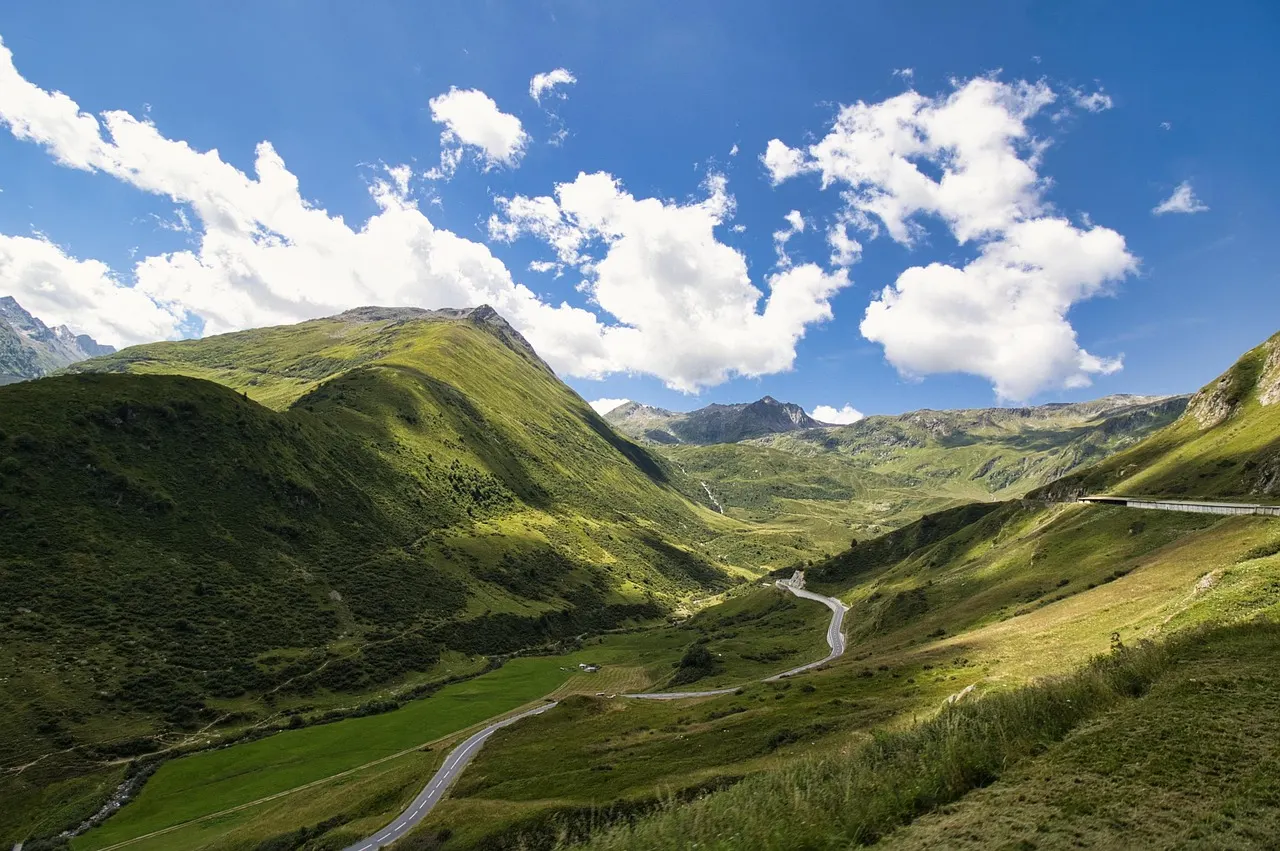
Graubünden is the largest canton in Switzerland, yet it has few people. Almost all of it is mountains and deep valleys, so the roads have to cross ridge after ridge to get from one valley to the next. The result is that nearly every driving route comes with views of peaks, lakes and old villages the whole way. Another charm is the language: the canton uses German, Italian and Romansh, so many village signs are bilingual. Houses in the Engadin valley have thick walls decorated with patterns scratched into the plaster, known as sgraffito, a hallmark of the region.
One more thing that makes this canton ideal for drivers is that the passes are close together. You can easily drive two passes in a day and return to the same hotel, with no need to change hotels every night.
The Canton's Main Passes, One by One
Oberalp Pass, about 2,044 meters
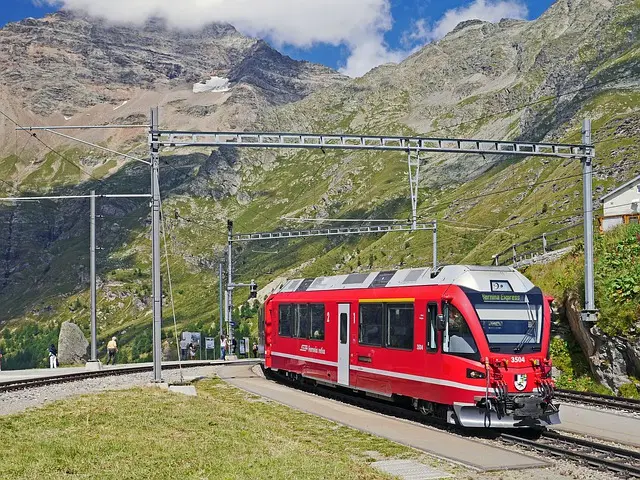
It links Andermatt in the canton of Uri with Disentis in Graubünden. The gradient is moderate and the bends are not too tight, which makes it a great first pass for the trip. At the top stands a red replica lighthouse beside a lake, marking how close you are to the source of the Rhine. The Glacier Express railway also crosses this pass, so in summer you have a good chance of seeing the red train running alongside the road. The pass closes in winter, when a car-carrying train takes vehicles across instead.
Albula Pass, about 2,312 meters
A favorite for anyone who loves narrow roads and wild scenery. It links the Albula valley on the Bergün side with La Punt in the Engadin. Some stretches are only just wide enough for two cars to pass, so drive slowly and watch for oncoming traffic. The Bergün side is close to the Landwasser Viaduct, which you can photograph from the viewpoint near Filisur. Closed in winter.
Julier Pass, about 2,284 meters
A wide road with gentle gradients, it is the main route from Chur into St. Moritz and the pass kept open almost all year round. On a day of rain or snow, this is the safest fallback. Along the way you pass the deep green Lake Marmorera (Lai da Marmorera).
Flüela Pass, about 2,383 meters
It links Davos with Susch in the Lower Engadin. The summit is an open plateau with two small lakes surrounded by rocky mountains. The road is wider than Albula and easy to drive. It closes in winter, when you use the Vereina car-carrying rail tunnel instead.
Bernina Pass, about 2,328 meters
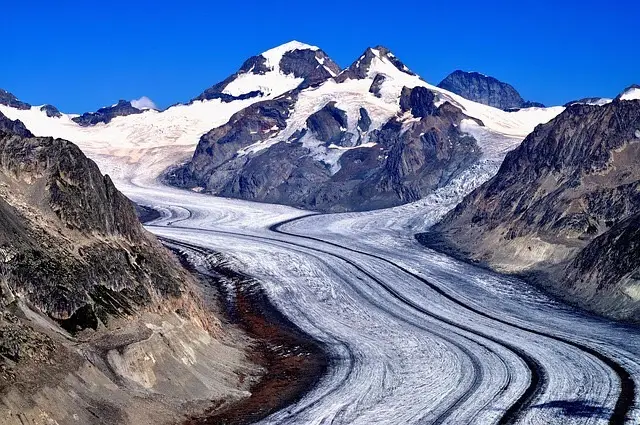
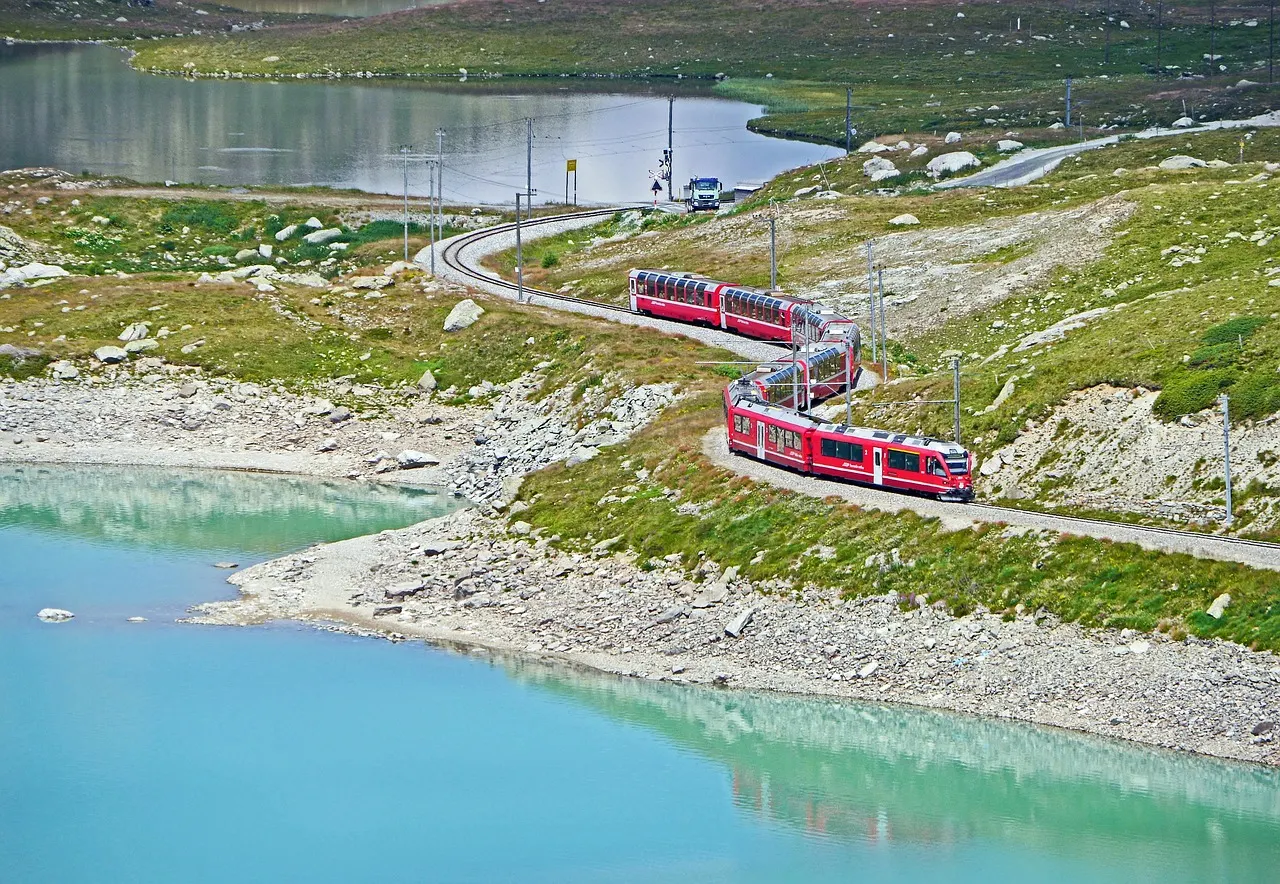
The route runs from Pontresina down into Valposchiavo, the Italian-speaking side. At the top lies Lago Bianco, with views of the glaciers of the Bernina massif. It is a high pass that is normally open all year, except on days of snowstorms. The Bernina Express runs along the lake on the opposite shore.
Ofenpass and Umbrail Pass
The Ofen Pass cuts through the Swiss National Park, the country's only national park, with pine forests and streams; leaving the marked trails inside the park is not allowed. From Val Müstair you continue up the Umbrail, about 2,501 meters, the highest pass in Switzerland. The top of the Umbrail touches the Italian border and meets the Stelvio Pass road right there. If you want to try the famous Stelvio hairpins, you can be across in a few minutes, but check that your rental company allows the car to leave Switzerland. The Umbrail usually opens later than the other passes.
A 5-Day Driving Loop from Zurich
This example uses the Engadin as a base for 3 nights; add or remove days to suit your schedule.
- Zurich Pick up the car, stroll the old town and rest to get over the jet lag
- Zurich - Andermatt - Oberalp - Disentis - Ruinaulta gorge - Chur - Julier - St. Moritz The longest day, so set off early
- Eastern loop Zernez - Ofen - Val Müstair - Umbrail (continuing to the Stelvio is optional), then back to the Engadin; or loop over the Bernina down to Poschiavo and back up
- Engadin - Albula - Bergün - Davos Stop at Lake Sils and Lake Silvaplana in the morning; if the weather is poor, take the Julier instead of the Albula
- Davos - Zurich Return the car and head home
Bases That Really Work
- St. Moritz A wide choice of restaurants and hotels and lakeside walks; ideal if you want a resort atmosphere
- Pontresina Quieter, and right at the foot of the Bernina, so early starts are easy
- Sils or Silvaplana On the lake, with lovely morning and evening views; ideal if you don't need town nightlife
- Davos or Chur Good as a first or last stop, close to the motorway back to Zurich
Before booking, ask the hotel whether it has parking and whether parking costs extra, because many hotels in old villages have limited spaces.
Swiss Road Rules Thai Travelers Need to Know
- Traffic drives on the right and cars are left-hand drive, the opposite of Thailand, so take extra care at turns and roundabouts at first
- Carry your Thai driving license together with an International Driving Permit, and keep your passport with you
- Motorways require a vignette sticker or an e-vignette linked to the license plate. Rental cars in Switzerland usually already have one; if you rent in another country, you have to buy it yourself
- General speed limits are 50 in town, 80 outside town and 120 km/h on motorways. Speed cameras are frequent and fines are steep
- Keep your headlights on day and night
- On narrow mountain roads, uphill traffic has priority, and the yellow PostBus always has priority. When you hear the PostBus's three-tone horn, find a place to pull over
- On long descents, use a low gear instead of riding the brakes
- Gas stations are scarce in the mountains, so fill up in Chur, Davos or St. Moritz before setting out each morning
Read about driving in Switzerland in both summer and winter at Rin's review: how to drive around Switzerland
Always Check Pass Opening Dates Before You Set Out
Swiss passes have no fixed opening dates; it depends on each year's snow. Roughly speaking, passes just above 2,000 meters such as the Oberalp open around late May, while the higher Umbrail usually opens around June, and passes can close temporarily even in midsummer when the weather turns. Every morning, check the road status on the website of the Graubünden civil engineering office or on a Swiss road-conditions app.
Recommended months
- June There is still snow beside the road at the summits and the wildflowers are starting to bloom, but some passes may not be open yet
- July - August Every pass is open and the meadows are green, but there are plenty of cars, cyclists and motorcycles
- September Cool, pleasant weather and fewer people; the larch trees in the Engadin begin turning gold from late in the month into October
Don't Want to Drive Yourself? Here Are Your Options
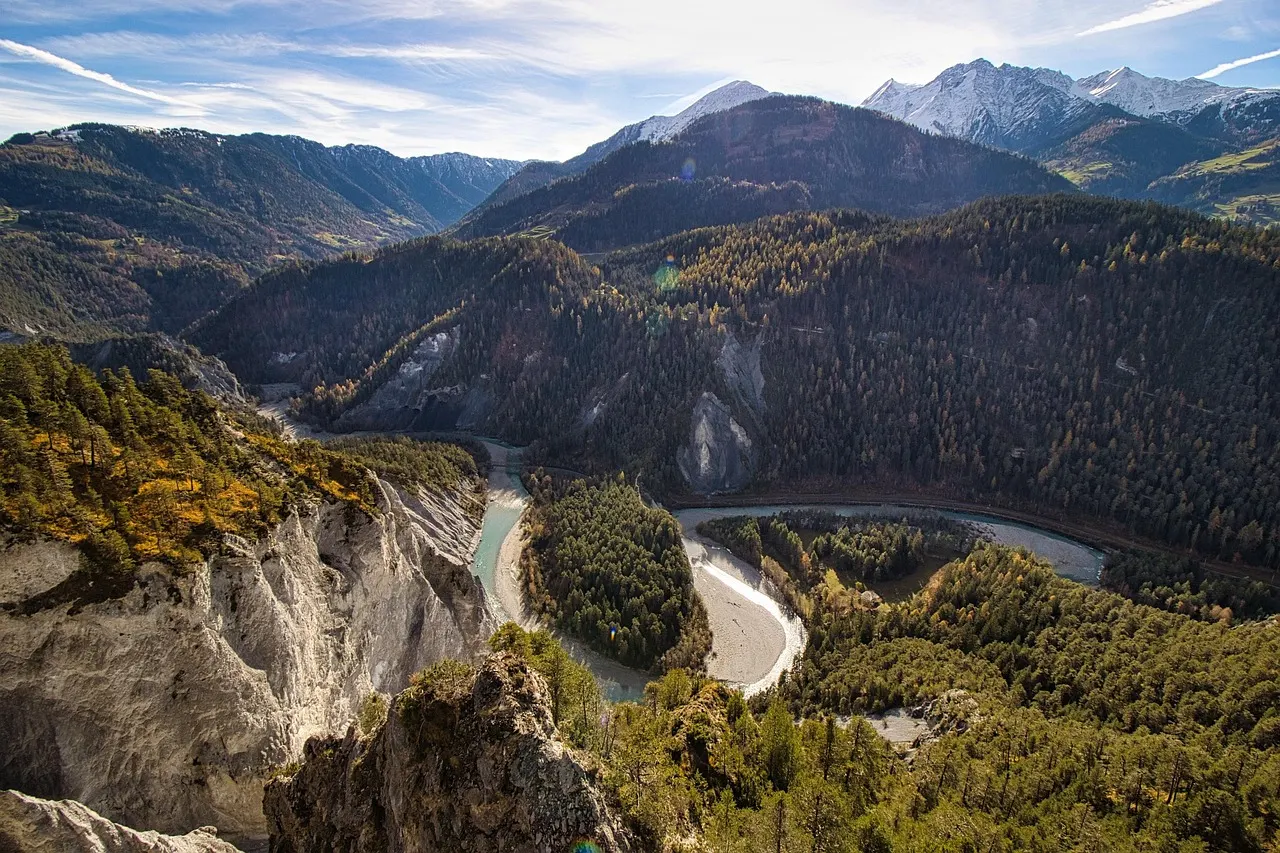
If someone in your group isn't comfortable driving or simply wants to sit back and enjoy the views, all of these routes can be done by van with a driver, or combined with the Rhaetian Railway on the Albula and Bernina lines, a UNESCO World Heritage site. For example, ride the Bernina Express for a short stretch from St. Moritz to Alp Grüm and back: in half a day you see the lakes and glaciers without touching the steering wheel. The Glacier Express section from Disentis to Chur passes through the Ruinaulta gorge, where no road can go.
Travel Switzerland Privately with See You Again
We help you plan a mountain pass route that suits the season and the driver's skill, find the car you want, whether self-drive, a convertible or a van with a driver, choose hotels with parking in the Engadin, and check the pass status before your travel day. You can extend the trip to Zermatt, Lucerne or Interlaken as you like.
- Grand Switzerland private tour, 8 days 7 nights (SWS005)
- Switzerland - Italy private tour with the Bernina Express and Glacier Express, 7 days 6 nights (ITA020)
- A 5-day Alps driving route, including the Stelvio Pass on the Italian side
Want a Graubünden driving plan that fits your group perfectly? Message us via the chat on our website, or contact Rin on LINE 004207289999999 or call 083 035 9755 (10.00-17.00). We'd love to hear from you!
Planning it yourself?
What independent travellers usually book before they go, from providers that actually work
Partner links · we may earn a small commission when you book, your price stays the same